Blog

  • Civil Law and Personal Injury Claims: What You Need to Know

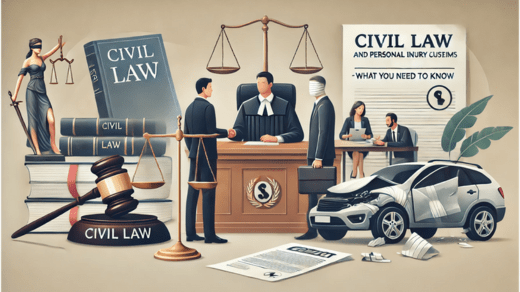
    Civil Law and Personal Injury Claims: What You Need to Know

    Civil law is a broad field encompassing various legal disputes that do not involve criminal charges. One of the most significant areas within civil law is personal injury claims. Personal injury law deals with cases where individuals suffer harm due to the negligence or intentional actions of others. Understanding the intersection of civil law and personal injury claims is crucial for anyone involved in such disputes, whether as a claimant or a defendant. This article explores the fundamentals of civil law and personal injury claims, offering insights into the legal processes, key considerations, and how to navigate these complex issues.

    What is Civil Law?

    Civil law is a branch of law that deals with disputes between private individuals or entities. Unlike criminal law, which involves the state prosecuting individuals for violations of criminal statutes, civil law focuses on resolving conflicts where one party claims to have suffered harm due to another party’s actions or omissions. Civil law encompasses a wide range of issues, including:

    • Contracts: Disputes over the terms and enforcement of agreements between parties.
    • Property: Issues related to the ownership, use, and transfer of property.
    • Family Law: Matters such as divorce, child custody, and adoption.
    • Torts: Civil wrongs that cause harm or loss to individuals, which includes personal injury claims.

    Understanding Personal Injury Claims

    Personal injury claims fall under the realm of tort law, a subset of civil law. These claims arise when an individual suffers harm due to someone else’s negligence, recklessness, or intentional wrongdoing. Personal injury claims can cover a wide range of situations, including:

    • Car Accidents: Injuries sustained in motor vehicle collisions caused by another driver’s negligence.
    • Slip and Fall Accidents: Injuries that occur on someone else’s property due to unsafe conditions.
    • Medical Malpractice: Harm caused by a healthcare provider’s negligence or substandard care.
    • Product Liability: Injuries resulting from defective or dangerous products.
    • Workplace Accidents: Injuries sustained on the job due to unsafe working conditions or employer negligence.

    The Process of Filing a Personal Injury Claim

    Filing a personal injury claim involves several steps, each crucial for ensuring that you receive fair compensation for your injuries. Here’s an overview of the typical process:

    1. Seek Medical Attention: The first step after an injury is to seek medical attention. Even if the injuries seem minor, a thorough examination is essential for documentation and treatment.
    2. Gather Evidence: Collect evidence related to the incident. This may include photographs of the scene, witness statements, medical records, and any other documentation that supports your claim.
    3. Consult a Personal Injury Lawyer: Engaging a qualified personal injury attorney is crucial. A lawyer will help you navigate the legal system, assess the strength of your claim, and advise you on the best course of action.
    4. File a Claim: Your lawyer will file a formal claim with the responsible party’s insurance company or directly in court if necessary. The claim will outline the details of the incident, the injuries sustained, and the compensation sought.
    5. Negotiate a Settlement: Many personal injury claims are settled out of court. Your lawyer will negotiate with the insurance company or the opposing party to reach a fair settlement that compensates you for medical expenses, lost wages, pain and suffering, and other damages.
    6. Litigation: If a settlement cannot be reached, your case may proceed to litigation. This involves presenting your case in court before a judge or jury. Your lawyer will represent you, present evidence, and argue your case to seek a favorable verdict.
    7. Resolution: If you win your case, you will receive compensation as determined by the court or through a settlement agreement. If you lose, you may have the option to appeal the decision.

    Key Considerations in Personal Injury Claims

    Several factors can influence the outcome of a personal injury claim. Understanding these factors can help you better prepare for the process:

    1. Burden of Proof: In a personal injury claim, the burden of proof rests on the claimant. You must demonstrate that the defendant’s actions or negligence directly caused your injuries. This requires presenting convincing evidence and establishing a clear link between the defendant’s conduct and your harm.
    2. Statute of Limitations: Personal injury claims are subject to statutes of limitations, which set deadlines for filing a lawsuit. These deadlines vary by jurisdiction and the nature of the claim. Failing to file within the prescribed timeframe may result in the loss of your right to seek compensation.
    3. Comparative Negligence: In some cases, the injured party may also be partially at fault for the accident. Comparative negligence rules determine how compensation is allocated based on the degree of fault. Your compensation may be reduced proportionately to your level of responsibility for the incident.
    4. Damages: Personal injury claims seek compensation for various types of damages, including:
      1. Economic Damages: These cover tangible losses such as medical expenses, lost wages, and property damage.
      1. Non-Economic Damages: These address intangible losses such as pain and suffering, emotional distress, and loss of enjoyment of life.
      1. Punitive Damages: In some cases, punitive damages may be awarded to punish the defendant for egregious conduct and deter similar behavior in the future.
    5. Insurance Companies: Insurance companies play a significant role in personal injury claims. They may offer settlements that seem fair but may not fully compensate you for your losses. Working with an experienced personal injury lawyer can help ensure that you receive a fair settlement or verdict.

    How to Choose the Right Personal Injury Lawyer

    Selecting the right personal injury lawyer is crucial for the success of your claim. Here are some tips for finding a qualified attorney:

    1. Experience: Look for a lawyer with experience in handling personal injury cases similar to yours. An experienced attorney will have a deep understanding of the legal process and strategies for achieving favorable outcomes.
    2. Reputation: Research the lawyer’s reputation by reading client reviews, checking their track record, and seeking recommendations from trusted sources.
    3. Communication: Choose a lawyer who communicates effectively and keeps you informed throughout the process. Clear communication ensures that you understand your options and can make informed decisions.
    4. Fees: Many personal injury lawyers work on a contingency fee basis, meaning they only get paid if you win your case. Discuss the fee structure upfront and ensure you understand any potential costs or fees involved.

    Conclusion

    Navigating the world of civil law and personal injury claims can be complex and overwhelming. However, understanding the basics of civil law, the process of filing a personal injury claim, and key considerations can help you make informed decisions and seek the compensation you deserve. Whether you’re dealing with a car accident, medical malpractice, or any other personal injury case, working with an experienced lawyer and being aware of your rights and options will significantly improve your chances of a successful outcome. By taking the right steps and seeking expert legal advice, you can effectively address personal injury issues and achieve justice for the harm you’ve suffered.

  • The Future of Corporate Law: Trends Shaping the Legal Business World

    The Future of Corporate Law: Trends Shaping the Legal Business World

    Corporate law, an ever-evolving field, is undergoing significant transformations that reflect broader shifts in the business world. As we look ahead, several key trends are shaping the future of corporate law, influencing how legal professionals practice and how businesses navigate the complex legal landscape. In this article, we will explore these trends, offering insights into how they are likely to impact the legal profession and corporate governance in the coming years.

    1. Technology and Automation in Legal Practice

    One of the most prominent trends shaping the future of corporate law is the integration of technology and automation. Legal technology, or “legal tech,” is revolutionizing how legal services are delivered. Tools such as artificial intelligence (AI), machine learning, and blockchain are streamlining legal processes, improving efficiency, and reducing costs.

    AI and Machine Learning: AI and machine learning are transforming tasks traditionally performed by lawyers. Document review, contract analysis, and legal research are increasingly automated, allowing legal professionals to focus on more strategic and complex matters. For instance, AI-powered tools can analyze large volumes of data to identify relevant information quickly, a task that would be time-consuming if done manually.

    Blockchain Technology: Blockchain technology is gaining traction in corporate law, particularly in areas such as contract management and secure transactions. Smart contracts, which are self-executing contracts with the terms directly written into code, can automate and enforce agreements without intermediaries, reducing the risk of fraud and disputes.

    2. Emphasis on Data Privacy and Security

    With the rise of digital transactions and data storage, data privacy and security have become critical concerns for businesses and legal professionals alike. Recent regulations, such as the General Data Protection Regulation (GDPR) in Europe and the California Consumer Privacy Act (CCPA) in the United States, have heightened the focus on protecting personal and sensitive information.

    Compliance and Regulation: As data protection regulations become more stringent, corporate lawyers are increasingly involved in ensuring their clients’ compliance. This includes advising on data handling practices, conducting risk assessments, and developing strategies to manage and mitigate data breaches.

    Cybersecurity: The growing threat of cyberattacks has made cybersecurity a priority for legal and compliance teams. Lawyers must stay abreast of the latest cybersecurity practices and regulations to protect their clients from potential legal liabilities arising from data breaches and cyber incidents.

    3. Increased Focus on Environmental, Social, and Governance (ESG) Factors

    The growing emphasis on Environmental, Social, and Governance (ESG) factors is reshaping corporate governance and legal strategies. Investors, regulators, and consumers are increasingly prioritizing companies’ ESG performance, leading to a shift in how businesses operate and report on their sustainability efforts.

    Environmental Responsibility: Corporate lawyers are helping businesses navigate regulations related to environmental sustainability, including compliance with emissions standards and waste management practices. They are also advising on the legal implications of environmental impact assessments and greenwashing allegations.

    Social and Governance Issues: Social responsibility and governance are becoming integral to corporate strategy. Legal professionals are involved in developing policies related to diversity and inclusion, human rights, and ethical business practices. They also play a role in ensuring transparency and accountability in corporate governance structures.

    4. Globalization and Cross-Border Legal Challenges

    As businesses operate increasingly on a global scale, cross-border legal challenges are becoming more prevalent. Corporate lawyers must navigate complex international regulations, trade agreements, and legal systems to support their clients’ global operations.

    International Trade and Compliance: Changes in international trade policies and agreements impact corporate legal strategies. Lawyers must stay informed about trade regulations, tariffs, and sanctions to help businesses manage risks and comply with international laws.

    Dispute Resolution: Cross-border disputes require specialized legal expertise. Corporate lawyers are increasingly involved in international arbitration and mediation, which offer alternative dispute resolution methods to traditional litigation. These processes can be more efficient and cost-effective for resolving complex global disputes.

    5. The Rise of Alternative Legal Service Providers (ALSPs)

    Alternative Legal Service Providers (ALSPs) are becoming a significant force in the legal industry. These providers offer specialized legal services, often leveraging technology to deliver cost-effective solutions. ALSPs are changing the landscape of corporate legal services by offering alternatives to traditional law firms.

    Specialized Services: ALSPs often focus on niche areas such as legal research, document review, and regulatory compliance. They provide businesses with specialized expertise and scalable solutions, complementing the services of traditional law firms.

    Cost Efficiency: By leveraging technology and streamlining processes, ALSPs can offer legal services at a lower cost compared to traditional law firms. This cost efficiency is appealing to businesses looking to manage their legal budgets effectively.

    6. Changing Demands for Legal Talent

    The legal profession is experiencing shifts in the demand for skills and expertise. The traditional model of legal practice is evolving, and legal professionals must adapt to new expectations and challenges.

    Tech-Savvy Lawyers: As technology becomes integral to legal practice, there is an increasing demand for lawyers who are proficient in legal tech tools and digital platforms. Tech-savvy lawyers are better equipped to handle automated processes and data-driven tasks.

    Interdisciplinary Skills: The complexity of modern legal issues requires interdisciplinary knowledge. Corporate lawyers are expected to have expertise not only in law but also in areas such as finance, technology, and environmental science. This broad skill set allows them to provide more comprehensive legal advice and support.

    7. Client-Centric Legal Services

    The focus on delivering client-centric legal services is reshaping how corporate lawyers interact with their clients. There is a growing emphasis on understanding clients’ needs, providing value-added services, and fostering long-term relationships.

    Personalized Service: Clients expect personalized and tailored legal solutions that address their specific needs and objectives. Corporate lawyers are increasingly adopting a client-centric approach, offering customized advice and proactive support.

    Value Transparency: There is a push for greater transparency in legal billing and value delivery. Clients are seeking clear and predictable pricing structures, and law firms are responding by offering alternative fee arrangements and detailed value metrics.

    Conclusion

    The future of corporate law is being shaped by a range of transformative trends, from technological advancements and data privacy concerns to ESG factors and global legal challenges. As these trends continue to evolve, they will influence how legal professionals practice and how businesses navigate the legal landscape. Embracing these changes and adapting to the shifting demands of the legal business world will be crucial for corporate lawyers seeking to stay ahead in a rapidly changing environment.

    By staying informed and agile, legal professionals can harness these trends to provide innovative and effective solutions, ensuring they continue to meet the needs of their clients and contribute to the evolving landscape of corporate law.

  • How Family Lawyers Assist in Navigating Divorce Mediation Services

    How Family Lawyers Assist in Navigating Divorce Mediation Services

    Divorce can be a challenging and emotional experience for anyone involved. The process often requires careful consideration and clear communication to reach a fair resolution. Divorce mediation services provide an alternative to the traditional courtroom battle, offering a more collaborative approach to resolving disputes. Family lawyers play an essential role in guiding individuals through this process, ensuring that their rights are protected and that the mediation process is as smooth as possible.

    Understanding Divorce Mediation Services

    Divorce mediation is a voluntary process where both parties work with a neutral third-party mediator to resolve conflicts outside of court. The mediator facilitates conversations between the couple, helping them reach agreements on issues like property division, child custody, and support payments. While the mediator does not provide legal advice, they assist in creating an environment where both parties can openly discuss their concerns.

    The Role of Family Lawyers in Divorce Mediation

    Family lawyers are highly experienced in family law and provide critical support during divorce mediation. They can help clients prepare for mediation sessions by explaining the issues at stake, such as division of assets, spousal support, and custody arrangements. By setting realistic expectations, family lawyers empower clients to engage in the mediation process with confidence.

    Furthermore, family lawyers help their clients understand the legal implications of the agreements they are being asked to make. For instance, they may explain how certain custody arrangements could affect child support or how the division of property could impact future finances.

    Ensuring Fair Agreements with Legal Expertise

    One of the key benefits of having a family lawyer involved in divorce mediation is that they provide legal expertise to ensure any agreements made are fair and legally binding. Mediation can sometimes lead to agreements that, while amicable, may not fully account for all legal factors. Family lawyers review the terms of the agreement to ensure they align with the client’s rights and the law.

    Benefits of Divorce Mediation Services with Family Lawyers

    Divorce mediation services, when supported by experienced family lawyers, offer numerous advantages over traditional litigation. The most significant benefit is the ability to reach a resolution more quickly and with less emotional and financial strain. Professional divorce mediation services allow both parties to remain in control of the decision-making process, rather than leaving the outcome in the hands of a judge.

    Family lawyers help clients navigate the emotional challenges of divorce mediation. Their experience provides stability and ensures that decisions are made based on legal facts rather than emotions. With a family lawyer’s guidance, clients can avoid common pitfalls that may occur during negotiations and come to a fair, balanced agreement.

    How Family Lawyers Protect Your Interests in Mediation

    Throughout the divorce mediation process, family lawyers are there to advocate for their client’s needs and protect their interests. They ensure that all legal aspects are carefully considered, from the division of assets to child custody arrangements. Having legal representation during mediation can prevent one party from taking advantage of the other, especially when emotions run high.

    Conclusion

    Divorce mediation services offer a more flexible and cost-effective way to resolve conflicts, but navigating this process without the proper legal guidance can be challenging. Family lawyers provide the expertise and support needed to protect their clients’ interests, ensuring that the mediation process is both fair and effective. Their involvement in the process allows clients to focus on achieving a resolution that works for everyone involved, without the need for a lengthy and adversarial court battle.

  • Intellectual Property Rights: A Comprehensive Guide to Protection and Enforcement

    Intellectual Property Rights: A Comprehensive Guide to Protection and Enforcement

    In today’s digital age, intellectual property (IP) has become one of the most valuable assets for businesses and individuals alike. Intellectual Property Rights (IPR) provide legal protection to the creations of the mind, such as inventions, literary and artistic works, designs, symbols, and names used in commerce. These rights encourage innovation, protect creators, and ensure that businesses can capitalize on their ideas.

    Understanding intellectual property rights is crucial for anyone involved in creative industries, technology, or business. In this article, we’ll delve into the different types of intellectual property rights, the importance of protecting your intellectual property, and how these rights can be enforced to safeguard your ideas and innovations.

    What are Intellectual Property Rights?

    Intellectual Property Rights refer to the legal rights granted to the creators, inventors, and owners of intellectual property. These rights protect the use of creations that are the result of intellectual effort, allowing creators to benefit financially from their works and preventing others from using them without permission.

    The primary purpose of intellectual property laws is to incentivize innovation by giving creators exclusive rights over their inventions, artistic works, and brands. This encourages more investment in new ideas, as creators can enjoy financial rewards and control over how their creations are used.

    The Different Types of Intellectual Property Rights

    There are several types of intellectual property rights, each protecting a different aspect of creative work. The most common forms of intellectual property rights are:

    1. Copyrights

    Copyright protects original works of authorship, such as books, music, films, software, and artwork. It gives the creator exclusive rights to reproduce, distribute, and perform the work. Copyright is automatic as soon as the work is created and fixed in a tangible form, although registration with a national copyright office can provide additional legal benefits.

    Key features of copyright include:

    • Protection for creators: Copyright grants the author exclusive rights to their work, allowing them to control how it is used and distributed.
    • Duration: In most countries, copyright lasts for the lifetime of the author plus an additional 50 to 100 years, depending on local laws.
    • Derivative works: Only the copyright holder can create derivative works based on the original work, such as adaptations, translations, or sequels.

    2. Patents

    A patent is a legal protection granted to inventors for new and useful inventions or discoveries. Patents prevent others from making, using, or selling the invention without the inventor’s permission for a set period (usually 20 years from the filing date). Patents can cover a wide range of inventions, including mechanical devices, processes, chemical compositions, and new technologies.

    Key features of patents include:

    • Novelty: For an invention to be patented, it must be novel, meaning it hasn’t been publicly disclosed before.
    • Utility: The invention must be useful and functional.
    • Non-obviousness: The invention must be a significant improvement over existing products or processes, not just a minor modification.

    3. Trademarks

    Trademarks are distinctive signs, logos, symbols, names, or other identifiers used in commerce to distinguish the goods or services of one business from those of others. A trademark helps consumers identify and trust a particular brand. Trademark protection helps prevent confusion in the marketplace and safeguards a company’s brand reputation.

    Key features of trademarks include:

    • Brand protection: Trademarks protect a company’s brand identity by ensuring that no one else can use a confusingly similar mark in relation to similar goods or services.
    • Duration: Trademarks can last indefinitely, as long as they are actively used in commerce and renewed periodically.
    • Distinctiveness: Trademarks must be distinctive and not generic or merely descriptive.

    4. Trade Secrets

    A trade secret refers to confidential business information, processes, or formulas that give a business a competitive advantage. Unlike patents and trademarks, trade secrets are not publicly disclosed and are protected through secrecy agreements, such as non-disclosure agreements (NDAs), and legal remedies for misappropriation.

    Key features of trade secrets include:

    • Secrecy: For information to be considered a trade secret, it must remain secret and not be easily accessible or known by others.
    • Commercial value: Trade secrets must provide economic value to the business because of their secrecy.
    • No time limit: Unlike patents, trade secrets can last indefinitely, as long as they remain confidential.

    5. Design Rights

    Design rights protect the aesthetic or ornamental aspects of a product, such as its shape, appearance, color, or texture. This type of intellectual property is essential for industries where the appearance of a product plays a significant role in consumer appeal, such as fashion, consumer electronics, and automotive design.

    Key features of design rights include:

    • Protection for visual elements: Design rights protect the visual and non-functional aspects of a product.
    • Duration: The duration of design rights varies by jurisdiction but typically lasts between 10 and 25 years.
    • Exclusivity: Only the holder of the design rights can use the protected design or license others to do so.

    Why are Intellectual Property Rights Important?

    Intellectual property rights are critical for a variety of reasons, ranging from protecting the interests of creators to fostering innovation in industries worldwide. Below are some of the key reasons why intellectual property rights are so important:

    1. Encouraging Innovation and Creativity

    IPR provides incentives for individuals and businesses to invest time, money, and resources into creating new products, services, and technologies. By granting exclusive rights to creators, IP law ensures that they can benefit from their work, encouraging further innovation and creative endeavors.

    2. Protecting Competitive Advantage

    For businesses, intellectual property can represent a substantial part of their overall value. Patents, trademarks, and trade secrets protect a company’s innovations, branding, and market share, helping them maintain a competitive advantage in their industry.

    3. Economic Growth

    Intellectual property fosters economic growth by creating new opportunities for businesses, industries, and economies. When companies can protect their innovations, they are more likely to invest in research and development, creating jobs, improving productivity, and stimulating economic development.

    4. Building Brand Identity

    Trademarks play a key role in helping companies build a recognizable brand identity. Through trademark protection, businesses ensure that consumers can distinguish their products and services from competitors, thus fostering brand loyalty and trust.

    How to Protect Your Intellectual Property

    There are several ways to protect your intellectual property, depending on the type of work or asset you are trying to safeguard. Here are some steps you can take:

    1. Register Your Intellectual Property

    While some intellectual property rights, such as copyright, are automatically granted upon creation, others, such as patents and trademarks, require formal registration with the relevant authorities. Registering your IP provides legal proof of ownership and makes it easier to enforce your rights in case of infringement.

    2. Use Non-Disclosure Agreements (NDAs)

    For trade secrets and confidential information, NDAs can be used to protect your business ideas, strategies, and processes. NDAs are legal contracts that prevent employees, contractors, or third parties from disclosing your confidential information.

    3. Monitor and Enforce Your Rights

    Once your intellectual property is protected, it’s important to actively monitor its use in the marketplace. If you find that someone is infringing on your rights, you may need to take legal action, such as sending a cease-and-desist letter, filing a lawsuit, or pursuing alternative dispute resolution methods like mediation or arbitration.

    Conclusion

    Intellectual Property Rights are essential tools for protecting creativity, innovation, and business assets. Whether you are an inventor, artist, or entrepreneur, understanding and securing your IP is crucial for ensuring that your ideas remain protected and that you can capitalize on your work. By securing patents, copyrights, trademarks, trade secrets, and design rights, you can safeguard your intellectual property, build your brand, and drive economic growth. Protecting your intellectual property is not just about legal compliance – it’s about securing your future success and maintaining a competitive edge in an ever-evolving marketplace.

    4o mini

  • Understanding Intellectual Property Rights: A Comprehensive Guide

    Understanding Intellectual Property Rights: A Comprehensive Guide

    Intellectual Property Rights (IPR) are legal protections granted to individuals or organizations for their creations, innovations, and inventions. These rights are essential in today’s knowledge-driven economy, offering creators the exclusive right to use, license, and profit from their work. Whether you’re an entrepreneur, artist, or business owner, understanding IPR is crucial for safeguarding your intellectual assets and ensuring long-term success.

    In this article, we’ll explore what intellectual property rights are, the different types of IPR, and why they are essential for businesses and creators. We’ll also cover the benefits of securing intellectual property rights and the process of protecting them.

    What are Intellectual Property Rights (IPR)?

    Intellectual Property Rights are legal protections granted to creators, innovators, and businesses for their inventions, designs, trademarks, artistic works, and other creations. These rights allow the creator or owner to control the use of their intellectual property, preventing unauthorized use or reproduction.

    Intellectual property is intangible—unlike physical property, it represents ideas, creations, and innovations. As these intangible assets are often the driving force behind a company’s competitive edge, IPR plays a critical role in protecting their value.

    IPR can be granted for a variety of creations, including inventions, logos, artistic works, software, and trade secrets. The main goal of IPR is to encourage innovation and creativity by ensuring that creators and inventors can benefit financially from their work without the fear of others copying or exploiting their ideas.

    Types of Intellectual Property Rights

    There are several types of intellectual property rights, each designed to protect a different form of creation. Let’s explore the most common types of IPR:

    1. Copyrights

    Copyrights are legal protections granted to creators of original works of authorship, such as books, music, movies, software, and artistic works. A copyright grants the creator exclusive rights to reproduce, distribute, display, and perform their work. It also allows the creator to license the use of the work to others for commercial purposes.

    • Duration: Copyright protection typically lasts for the life of the author plus an additional 70 years, though this can vary by jurisdiction.
    • Protection Scope: Copyright protects the expression of ideas, but not the ideas themselves. For example, a book is protected by copyright, but the underlying concept or plot may not be.
    • Fair Use: There are exceptions to copyright protection, including the fair use doctrine, which allows limited use of copyrighted material for purposes like criticism, commentary, research, and teaching.

    2. Patents

    Patents are exclusive rights granted to inventors for new inventions or discoveries. A patent allows the inventor to prevent others from making, using, selling, or distributing their invention without permission. Patents are commonly granted for inventions that provide a new technological solution to a problem.

    • Duration: Utility patents typically last for 20 years from the filing date, while design patents usually last 15 years.
    • Protection Scope: Patents protect the functional aspects of inventions, such as new products, processes, or machines. However, patent protection is only granted to inventions that meet certain criteria, such as novelty, non-obviousness, and utility.
    • Patent Pending: While waiting for a patent application to be granted, inventors can use the term “patent pending” to indicate that the invention is protected during the review process.

    3. Trademarks

    Trademarks are distinctive signs, symbols, logos, or brand names used to identify and distinguish goods and services in the marketplace. Trademark protection helps businesses build brand identity and prevents others from using confusingly similar marks that may mislead consumers.

    • Duration: Trademarks can last indefinitely, as long as they are actively used in commerce and renewed periodically (typically every 10 years).
    • Protection Scope: Trademarks protect symbols, words, names, logos, and other identifiers that distinguish a company’s goods or services from others. Trademarks also include service marks, which apply to services rather than products.
    • Distinctiveness: To be eligible for trademark protection, a mark must be distinctive and non-generic. Descriptive or common phrases generally cannot be trademarked unless they have acquired secondary meaning through extensive use.

    4. Trade Secrets

    Trade secrets are confidential business information, practices, or processes that give a company a competitive edge. This can include formulas, recipes, manufacturing processes, and customer lists. Unlike patents or trademarks, trade secrets are not registered with a government body, and protection is maintained as long as the information remains secret.

    • Duration: Trade secret protection lasts as long as the information is kept secret and is not publicly disclosed.
    • Protection Scope: Trade secrets protect valuable business information from being disclosed or used by competitors. Legal action can be taken against individuals or organizations that misappropriate trade secrets through theft or breach of confidentiality.
    • Non-Disclosure Agreements (NDAs): Companies often use NDAs to protect trade secrets when sharing sensitive information with employees, contractors, or business partners.

    5. Industrial Designs

    Industrial designs refer to the aesthetic and ornamental aspects of an object, such as its shape, texture, or pattern. These designs are protected under intellectual property laws to prevent others from copying the unique visual appearance of a product.

    • Duration: Protection typically lasts between 10 to 25 years, depending on the jurisdiction.
    • Protection Scope: Industrial designs protect the outward appearance of a product, such as the design of a chair, packaging, or clothing. However, functionality and utilitarian features are generally not covered by industrial design protection.
    • Exclusions: Certain designs that lack originality or are dictated by technical or functional considerations may not qualify for protection.

    Why Are Intellectual Property Rights Important?

    Intellectual Property Rights are crucial for both individuals and businesses for several reasons:

    1. Encouraging Innovation and Creativity

    IPR incentivizes innovation by ensuring that creators and inventors can control the use of their work. Without legal protection, there would be less motivation for individuals and organizations to invest time and resources into creating new products, services, or artistic works. IPR encourages continuous innovation by offering the possibility of financial reward and recognition.

    2. Protecting Business Assets

    For businesses, intellectual property can be one of their most valuable assets. Protecting intellectual property ensures that competitors cannot copy your innovations, which could undermine your competitive advantage. By securing intellectual property rights, businesses can retain control over their creations, whether it’s a unique product design, a software application, or a brand logo.

    3. Generating Revenue

    Intellectual property can be monetized in various ways. Businesses can license their IP to others, allowing third parties to use it in exchange for royalties or fees. IP can also be sold outright, creating an additional revenue stream for the owner. Many successful businesses, such as tech companies and pharmaceutical firms, generate significant income from licensing their patents and trademarks.

    4. Enhancing Brand Value

    Trademarks and brand identity are critical for establishing customer loyalty and market recognition. Protecting a brand through trademark registration ensures that competitors cannot capitalize on a company’s goodwill by imitating or diluting its brand. A strong brand is often one of the most valuable assets a business owns.

    How to Protect Your Intellectual Property Rights

    To protect your intellectual property rights, it’s important to take the following steps:

    1. Register Your IP

    While some types of intellectual property, such as copyrights and trade secrets, are protected automatically upon creation, others, such as patents and trademarks, require formal registration with a government agency. Registering your IP provides legal recognition and stronger protection.

    2. Monitor and Enforce Your Rights

    Once your IP is protected, it’s important to monitor the marketplace for potential infringement. If someone uses your intellectual property without permission, you may need to take legal action to enforce your rights. This can involve sending cease-and-desist letters, filing lawsuits, or negotiating settlements.

    3. Use Non-Disclosure Agreements (NDAs)

    When sharing your intellectual property with employees, contractors, or business partners, consider using non-disclosure agreements (NDAs). These legally binding documents ensure that the other party does not disclose or use your confidential information without your permission.

    Conclusion

    Intellectual Property Rights play a fundamental role in protecting creativity, innovation, and business assets. Whether you’re a creator, entrepreneur, or business owner, understanding IPR is essential for safeguarding your valuable intellectual property and ensuring your ability to profit from your work.

    By securing the appropriate protections for your inventions, designs, trademarks, and other creations, you can maintain control over your intellectual assets, prevent unauthorized use, and capitalize on your innovations. As the global economy continues to rely on knowledge and ideas, intellectual property rights are more important than ever in fostering creativity and driving business growth.

    4o mini

  • 15 Key Questions Answered About Public Sector Employment Laws

    1. What is Public Sector Employment?

    Public sector employment means employment in any government organization at the federal, state, and local levels as well as any publicly funded institutions such as schools and hospitals.

    2. What Laws Regulate Public Sector Employment?

    Public sector employment is regulated by various federal, state, and local laws, including:

    Fair Labor Standards Act (FLSA)

    Americans with Disabilities Act (ADA)

    Family and Medical Leave Act (FMLA)

    Title VII of the Civil Rights Act

    State-specific labor codes

    3. How Does Public Sector Employment Differ From Private Sector Employment?

    Public sector employees are entitled to various protections, including civil service laws, union rights, and constitutional protections due process and free speech.

    Read Also:

    4. Are Public Sector Employees Covered by FLSA?

    YES, with respect to the most of the public sector employees, FLSA holds rules regarding the minimum wage, overtime pay, and work hours.

    5. What Role Do Unions Play in the Public Sector?

    Unions represent public employees in collective bargaining over wages, benefits, and working conditions. Union rights vary depending on state laws.

    6. Are Public Sector Employees Entitled to Due Process?

    Yes, under the U.S. Constitution, public sector employees often have due process rights, particularly concerning discipline or termination.

    7. What Anti-Discrimination Laws Apply to Public Sector Workers?

    Public sector employees are protected by laws such as:

    Title VII (race, color, religion, sex, national origin)

    ADA (disability)

    Age Discrimination in Employment Act (ADEA)

    8. Can Public Sector Employees Be Fired at Will?

    Unlike private sector employees, many public sector workers enjoy “just cause” protections under civil service rules or collective bargaining agreements.

    9. What Are the Rules on Political Activity?

    Public sector workers are often restricted under provisions like the Hatch Act, which prohibits the conduct of certain political activities to avoid conflicts of interest.

    10. Do Public Sector Employees Possess First Amendment Rights?

    Public sector employees enjoy First Amendment rights but are inextricably tied to an appropriate balance that ensures the governmental interest in running an efficient workplace.

    11. What Is the Impact of Whistleblower Protection Laws?

    Whistleblower laws offer public employees a protective shield for reporting government malfeasance that guards against retaliatory action from governments, furthering transparency and accountability.

    12. Do Public Sector Employees Enjoy Collective Bargaining Rights?

    Although collective bargaining rights exist in many states, they are highly variable. Some states, such as California, have robust protections, while others, like Texas, have limited or no rights.

    13. How Is Overtime Treated in the Public Sector?

    Public employees are entitled to overtime pay or compensatory time off under the FLSA, depending on the nature of their work and the number of hours worked.

    14. What Are Public Sector Employees Eligible For?

    Benefits are usually health insurance, pension plans, paid time off, and sometimes tuition or childcare support.

    15. What Remedies Are Available to Public Employees For Grievances?

    Employees can process grievances by submitting appeals to administrative agencies or the grievance procedures of unions or filing complaints with a variety of agencies, such as the EEOC.

  • 5 Must-Know Questions About Workplace Rights and Remedies

    1. What are basic workplace rights that employees should know?

    Answer: 

    Right to Fair Pay: Minimum wage, overtime pay, and timely payment as required by law.

    Safe Working Conditions: Protection from hazards under laws like OSHA.

    Freedom from Discrimination: Protection against discrimination based on race, gender, age, religion, disability, or other protected characteristics.

    Protection from Harassment: Safeguards against workplace harassment, including sexual harassment.

    Right to Leave: Access to medical, family, or parental leave under laws like the FMLA (Family and Medical Leave Act).

    2. What should employees do if they experience workplace discrimination or harassment?

    Answer:

    Document Incidents: Record dates, times, and details of discriminatory or harassing behavior.

    Report the Issue: File a complaint with HR or the designated office at your workplace.

    File a Charge: If not resolved, file a charge with third-party agencies, such as the EEOC.

    Consult Attorney: Consult attorney to discuss possible additional remedies, such as filing a lawsuit.

    Read Also:

    3. What are an employee’s rights in termination?

    Answer:

    Employees may not be discharged on account of discrimination or for retaliation against lawful activities (whistleblowing).

    Employer must provide notice if the employment contract so requires.

    Depending on contract terms or company policies, employees may be eligible for severance pay.

    Final paychecks should include earned wages and unused vacation time, as provided by law.

    4. Can employees refuse unsafe work assignments?

    Answer:

    Yes, employees can refuse unsafe work under laws such as OSHA if

    The danger is immediate and serious.

    The employee has informed the employer and no corrective action was taken.

    Employees should record the incident and submit it to OSHA if needed.

    5. What relief does the law provide for violations of the workplace?

    Answer:

    Employees may recover:

    Back Pay: Payment for lost wages or overtime.

    Reinstatement: If unlawfully discharged.

    Damages: Monetary award for emotional distress, punitive damages, or attorneys’ fees.

    Policy Changes: Court orders requiring the employer to revise discriminatory or illegal policies.

  • 7 Questions to Clarify Employment Contracts and Service Terms

    1. What is an employment contract?

    Answer:

    An employment contract is a legal agreement between the employer and the employee that defines the terms of the working relationship, including job duties, compensation, benefits, and termination conditions.

    2. What are the main elements of an employment contract?

    Answer:

    Job Description: Job duties and responsibilities.

    Compensation: Salary, bonuses, and benefits.

    Work Schedule: Working hours and place.

    Duration: Whether the contract is fixed-term, permanent, or at-will.

    Termination Terms: Notice periods, severance pay, and grounds for dismissal.

    Non-Compete/Confidentiality Clauses: Restrictions on post-employment activities and protection of proprietary information.

    3. Are verbal employment agreements legally binding?

    Answer:

    Yes, verbal agreements can be enforceable; however, written contracts serve as a more clear record of terms and are easier to enforce in court when legal disputes arise.

    4. What is the difference between fixed-term and at-will employment?

    Answer:

    Fixed-Term: The contract stipulates a definite term or an end date. Termination before this date may be just cause or mutual agreement.

    At-Will: Either party can terminate the contract at any time, for any reason, or no reason, as long as it doesn’t violate laws or contractual terms.

    5. Can an employer change the terms of an employment contract?

    Answer:

    Only the employee’s approval is required before the employer may change terms that have a substantial impact on pay, duties, or benefits. Other unilateral changes likely will be breaches of the contract.

    6. What should employees inspect before they sign a contract?

    Answer:

    Compensation and benefits.

    Job title and description.

    Non-compete and confidentiality agreements.

    Provision for the probationary period.

    Termination and severance packages.

    Mechanisms to resolve disputes, such as arbitration or litigation.

    7. What happens if the employment contract is breached?

    Answer:

    The non-breaching party can seek remedies, such as:

    Damages: Actual losses due to the breach.

    Specific performance: Enforcement of the agreed terms.

    Termination of the contract: If the breach is fundamental.

  • 10 Frequently Asked Questions About Employment Termination Laws

    1. What is at-will employment?

    Answer:

    In at-will employment, either the employer or the employee can terminate the employment relationship at any time, for any reason, or no reason, as long as it doesn’t violate laws (e.g., discrimination or retaliation).

    2. What are wrongful termination claims?

    Answer:

    Wrongful termination occurs when an employee is fired in violation of a contract, anti-discrimination laws, public policy, or retaliation protections (e.g., for whistleblowing).

    3. Can a boss terminate a worker without advance notice?

    Yes, in an at-will state, except when a contract or company policy demands notice. There are, however, exceptions related to the Worker Adjustment and Retraining Notification (WARN) Act for big layoffs.

    Read Also:

    4. What is an illegal termination?

    An illegal termination involves:

    The firing of workers on the grounds of race, gender, age, religion, or disability due to violations of the anti-discrimination law.

    Retaliation for whistleblowing or reporting harassment

    Breach of an employment contract.

    5. Is there severance pay due to employees?

    Answer:

    Severance pay is only obligatory if issued in writing and given under contract, company policy, or negotiation as part of a separation agreement.

    6. Can an employer fire a problematic worker?

    Answer:

    Yes, but the employer should document performance issues to avoid potential wrongful termination claims. Clear communication and employee performance improvement plans are advised.

    7. What is constructive dismissal?

    Answer:

    Constructive dismissal refers to the process through which an employer makes the workplace unbearable to such an extent that the employee has no other option but to quit. Such processes attract legal actions, especially when against the laws and contracts.

    8. What does the WARN Act do for layoff processes?

    Answer:

    WARN Act ensures employers with more than 100 employees give a 60 days’ notice of layoffs or closure of plants unless circumstances are business related and cannot be foreseen in advance.

    9. Are former employees eligible for unemployment benefits?

    Answer:

    Generally, yes, unless the employee was terminated for cause. Requirements differ by state or locality.

    10. What should an employer do before firing an employee?

    Answer:

    Review employment contracts and company policies.

    Document reasons for termination and prior warnings.

    Comply with anti-discrimination and labor laws.

    Exit interview and termination letter.

  • 7 Essential Questions About Real Estate and Title Deeds

    1. What is a title deed in real estate?

    Answer:

    A title deed is a legal document that proves ownership of a property. It outlines the property’s boundaries, ownership details, and any rights or restrictions associated with it.

    2. Why is a title search important before buying property?

    Answer:

    A title search confirms that the property legally belongs to its owner and has no liens, disputes, or claims. This safeguards the buyer from future legal challenges.

    3. What is the difference between a title and a deed?

    Answer:

    Title: It represents legal ownership of a property.

    Deed: A physical, legal document that transfers ownership from one party to another.

    Read Also:

    4. What are common issues that can affect a property title?

    Answer:

    Liens: Claims against the property for unpaid debts.

    Easements: Rights granted to others to use part of the property.

    Encumbrances: Restrictions or claims affecting the property’s use.

    Ownership Disputes: Conflicting claims to ownership.

    5. What is title insurance, and why is it necessary?

    Answer:

    Title insurance protects buyers and lenders from financial loss due to title defects, such as undisclosed liens, errors in public records, or legal challenges to ownership.

    6. Is title deed transfer possible without the property being sold?

    Answer:

    Yes. Title deeds are transferred by giving, inheriting, or settlement in the course of divorce property settlements. Typically, the type of deed to be used here is the deed of transfer or quitclaim deed.

    7. What is a dispute about the title to property?

    Answer:

    Disputes are normally solved by

    Agreement through negotiations

    Neutral third party mediation or arbitration.

    Litigation: A court determines the rightful owner.